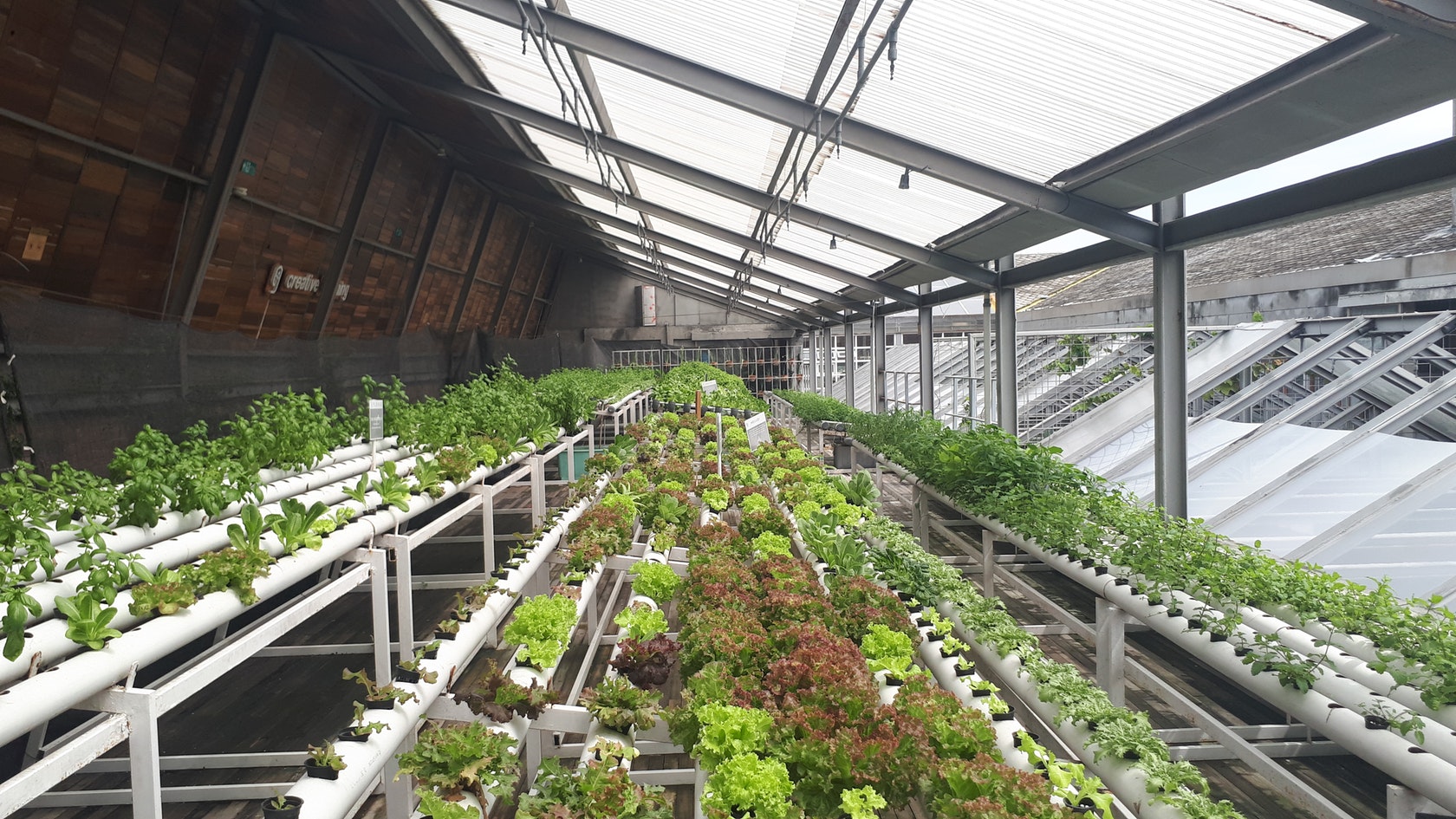
Why does condensation form in a greenhouse?
Drip in a greenhouse is a very common problem. There are several reasons for the appearance of condensation: At dawn or dusk, there is a large temperature difference between the air outside and inside the greenhouse. It is at this time that drops of water appear on the walls and ceiling. High planting density. Greenhouse plants are usually watered at night and the windows and doors are closed at night. Excess water will evaporate overnight and settle on the walls. Moisture evaporates from plant leaves and soil, which can also settle. Increase in soil moisture. Insufficient ventilation.
Drip in a greenhouse is a very common problem. There are several reasons for the appearance of condensation: At dawn or dusk, there is a large temperature difference between the air outside and inside the greenhouse. It is at this time that drops of water appear on the walls and ceiling. High planting density. Greenhouse plants are usually watered at night and the windows and doors are closed at night. Excess water will evaporate overnight and settle on the walls. Moisture evaporates from plant leaves and soil, which can also settle. Increase in soil moisture. Insufficient ventilation.
The additive migrates to the surface of the film, increasing the surface tension. This allows creating a single layer of water without affecting the optical properties and without dripping.
Gravity causes a layer of water to flow into the gutters, so it is important to maintain a proper slope. For this reason, the hydrophilic effect is reduced when the film is installed horizontally in the greenhouse.
How does a hydrophilic additive work?
When water vapor condenses on the film, it does not accumulate into large water droplets, but rather becomes a uniform layer of water. The water flows to the edges of the dome and penetrates the soil, without reaching the plants or remaining in the film itself. Thus, the humidity level in the greenhouse does not increase to the maximum.
How to increase the effectiveness of the hydrophilic effect?
There are a number of general recommendations to increase the effectiveness of the hydrophilic effect: The angle of inclination of the greenhouse frame must be sufficient for water to drain. Dehumidify the air, there must be good ventilation. An increase in temperature, i.e. additional heating of the film.
There are a number of general recommendations to increase the effectiveness of the hydrophilic effect: The angle of inclination of the greenhouse frame must be sufficient for water to drain. Dehumidify the air, there must be good ventilation. An increase in temperature, i.e. additional heating of the film.